I didn’t grow up seeing myself represented on TV.
As a mixed-ethnicity kid coming of age in the ’80s and ’90s, I learned early how to edit myself while watching the world tell stories. English was the default. Lighter skin was safer. Accents were punchlines. Culture was something you brought to school lunches or family gatherings and not something you saw celebrated on the biggest stages in the country.
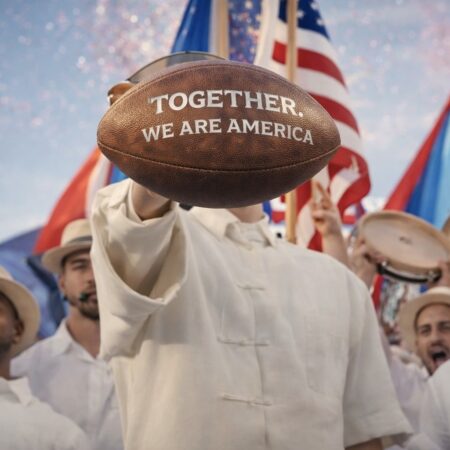
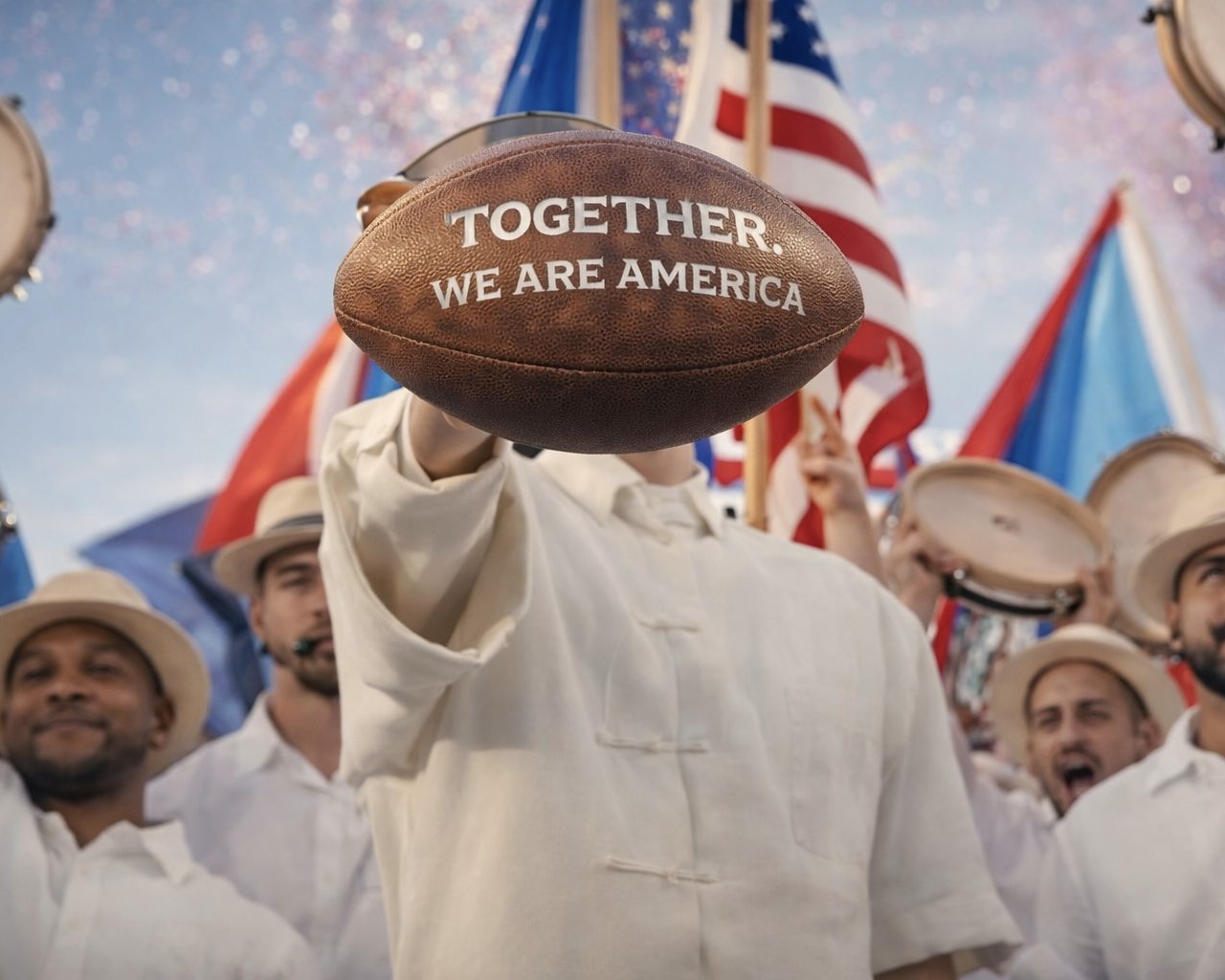
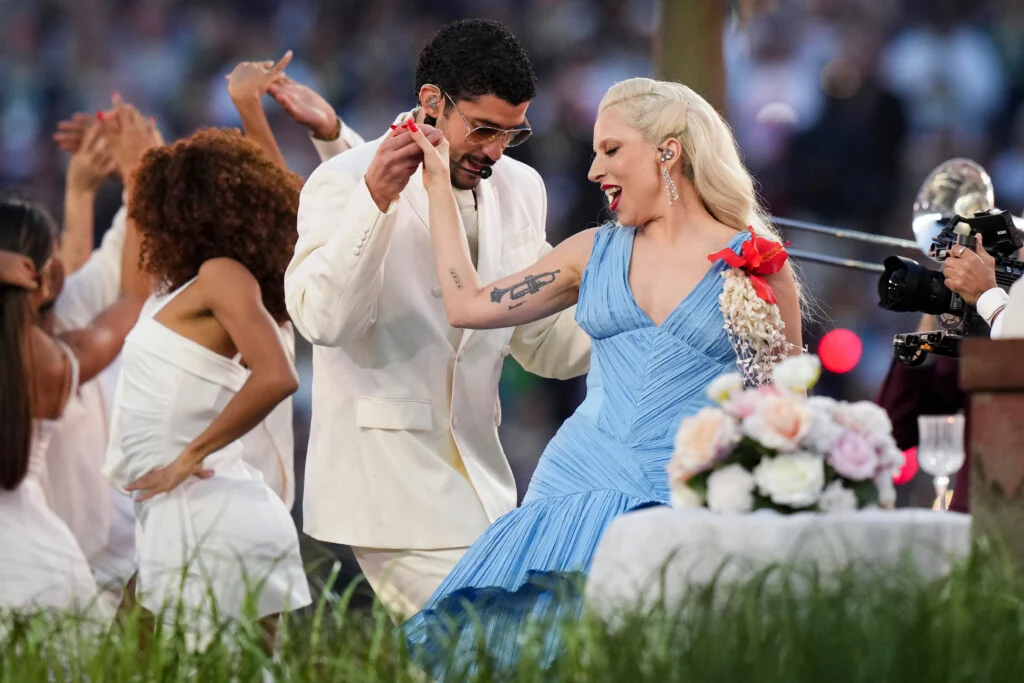
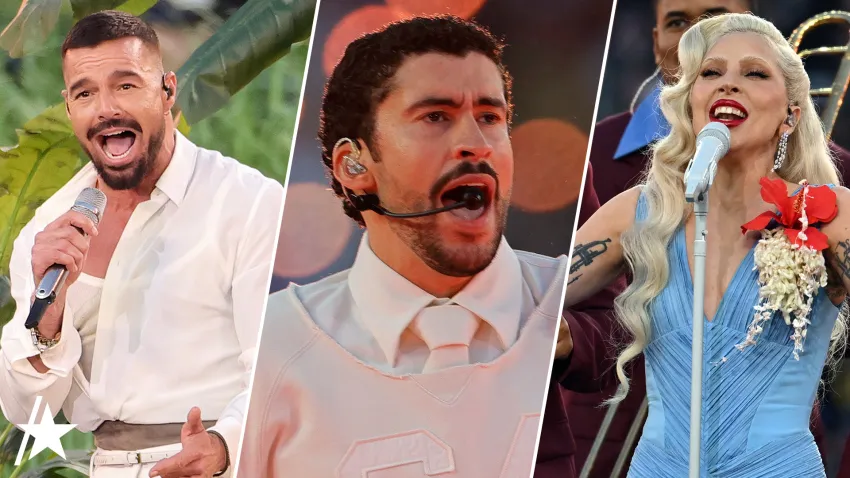
So when the Super Bowl LX halftime show took over our screens with Bad Bunny, Lady Gaga, and Ricky Martin with multiple languages, multiple cultures, multiple histories sharing one stage, I didn’t just watch it. I felt it.
This wasn’t a novelty act. It wasn’t a “special segment.” It was loud, unapologetic, joyful, multilingual, and impossible to ignore…exactly how representation should be.
For those of us who grew up without it, moments like this land differently.
As a kid, people that looked like me were usually side characters, if they existed at all. The “ethnic best friend.” The spicy love interest. The comic relief. Rarely the lead. There was an unspoken lesson embedded in that absence: success looks a certain way, and it doesn’t look like you.
That’s why this halftime show mattered.
Not because it was flashy (it was).
Not because it was star-studded (it absolutely was).
But because it normalized what so many of us already know to be true: America has always been plural.
Hearing Spanish sung without apology on the most-watched broadcast of the year hit a nerve in the BEST way. For decades, non-English languages in American media have been treated as obstacles to overcome or quirks to be translated. Here, language was the point. It was music, rhythm, emotion. It didn’t ask permission to exist.
That matters for kids watching who speaks multiple languages at home. It matters for adults who were once told to “practice their English” or “tone it down.” It reframes difference as strength instead of something to be corrected.
What struck me most was not just who was on stage, but how they were positioned side by side, equally powerful and equally celebrated. Different skin tones. Different backgrounds. Different cultural legacies. No hierarchy. Just coexistence.
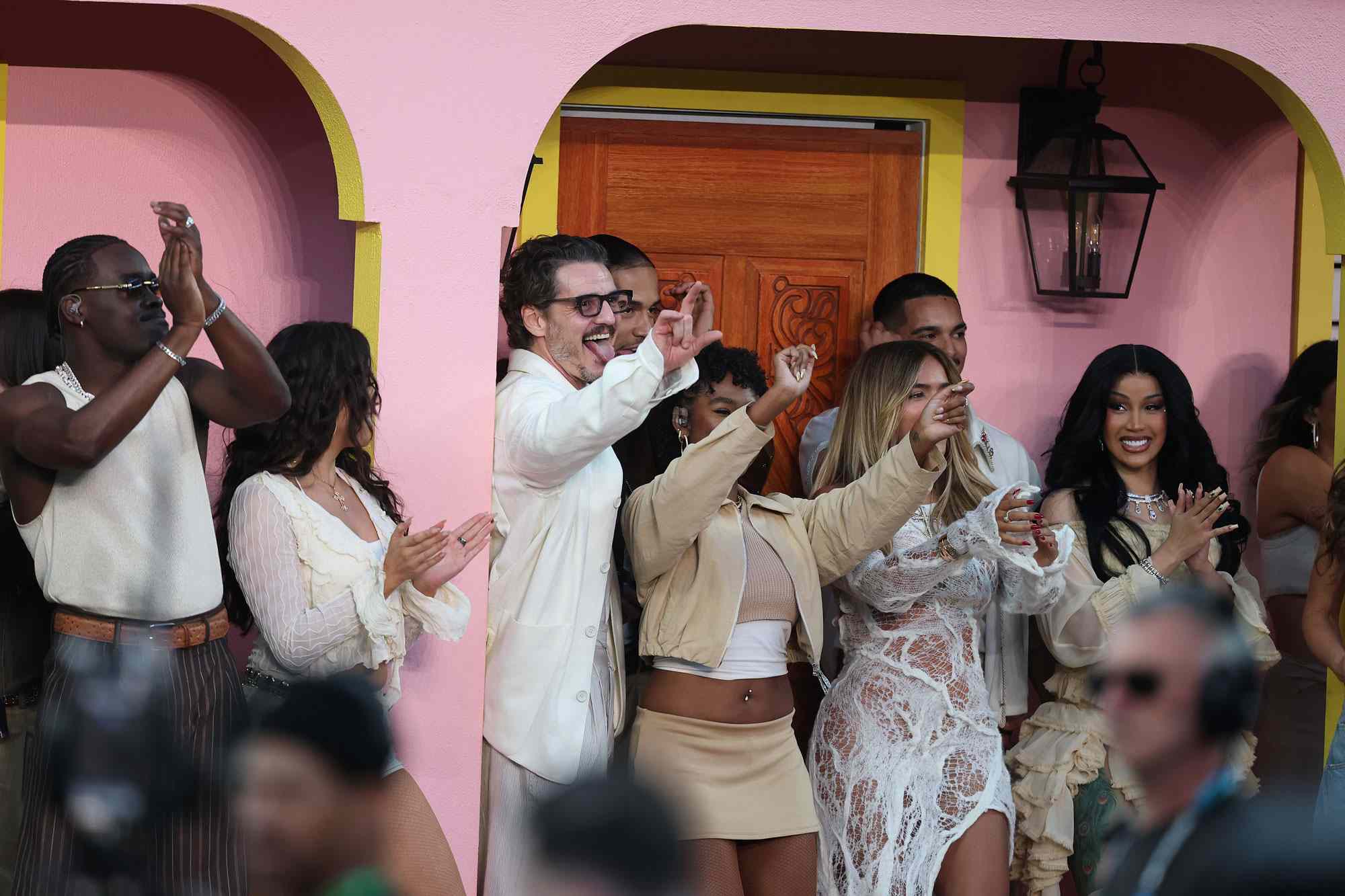
And for a mixed-ethnicity woman who spent years feeling like I existed between categories, that was quiet rebellion. Critics will always say, “it’s just entertainment” or “why does everything have to be political?” But representation isn’t about politics. It’s about reality. When people see themselves reflected in culture – truly reflected, not caricaturized – it shapes how they understand their own worth. It tells them they don’t have to shrink to be accepted.
I think about the younger version of myself, sitting cross-legged on the floor, watching TV and wondering where I fit. I think about how different that would have felt if stages like this had existed then. And I think about the kids watching now, seeing heritage celebrated instead of being sidelined, hearing languages spoken with pride instead of shame.
That’s not “woke.”
That’s human.
The Super Bowl halftime show has always been a cultural mirror. This year, the mirror finally reflected a much broader picture. It reminded me that representation doesn’t have to be loud to be powerful, but sometimes, being loud is exactly what’s needed!
For those of us who grew up with very little space to be fully ourselves, this wasn’t just a performance. It was a reminder that our stories, our cultures, our voices have always belonged here, even when the mainstream media has said otherwise.
And maybe that’s the real win.
Not just who took the stage, but those who finally felt seen.
Watch the Full Performance | Instagram | Bad Bunny World Tour Dates | #BadBunny