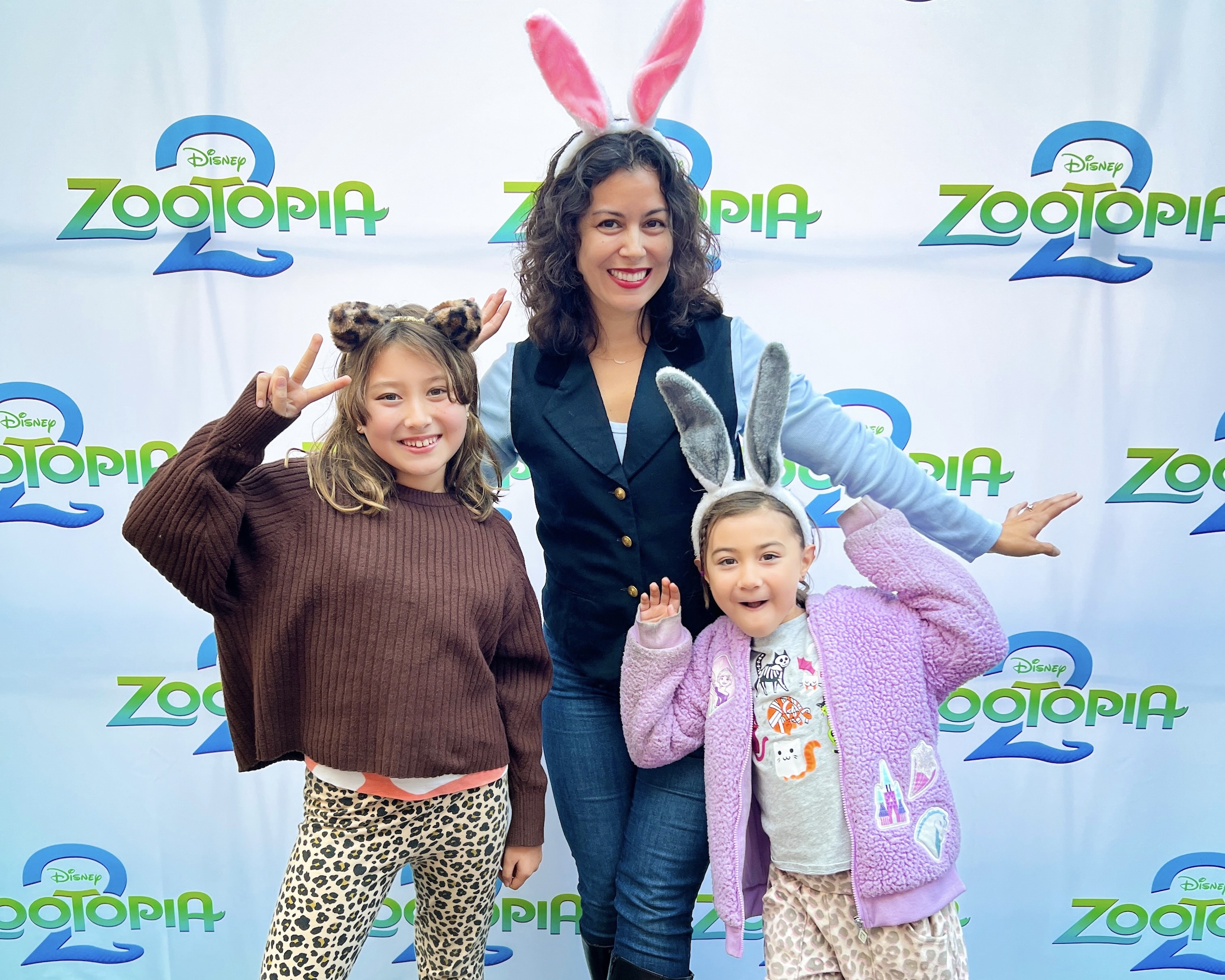
Zootopia 2 arrived on digital January 27th, and while it’s funny and full of heart, there’s something deeper happening beneath the bright colors and clever jokes. This sequel doesn’t just revisit bias and stereotypes the way the original did; it invites us into the messier work of examining the systems that uphold exclusion, fear, and false narratives about who belongs and who doesn’t. Zootopia 2 doesn’t just live up to the original…it surpasses it, becoming the highest-grossing American animated film of all time.
At its core, Zootopia 2 shows us that even in a city that presents itself as fair and inclusive, prejudice can become baked into institutions. Reptiles were once driven out of the city based on fear and mistruths, which is a clear parallel to real-world histories of segregation and exclusion. What makes this especially powerful for families is how the film frames these issues: not through lectures, but through characters we care about: bunnies, foxes, and snakes who are more like us than we might want to admit.
That’s why this movie offers such an accessible entry point for talking about racism with kids. By using an animal world, the film creates emotional distance without distancing the truth. Kids know when something isn’t fair. Zootopia 2 gives families a shared framework to say, “That wasn’t just rude. That was unfair,” and then to ask, “How do we fix it?”
And the film doesn’t stop at individual prejudice. It explores how fear is manufactured and weaponized, how historical narratives are rewritten to justify exclusion, and why systemic change isn’t about pretending we’re post-bias. It’s about doing the hard work of unlearning, listening, and restructuring systems that protect some while harming others. And that’s a conversation worth having!
In a culture that often tells parents to stay “neutral” or to “wait until they’re older,” Zootopia 2 pushes back. It makes the case that conversations about who we include, who we fear, and who we protect matter at every age.
It also needs to be said: this film works because the cast and crew absolutely delivered. Ginnifer Goodwin and Jason Bateman return with performances that feel deeper, sharper, and more emotionally grounded than the original. Judy and Nick have grown and you can tell. Their chemistry still crackles, but there’s added weight in how they navigate trust, accountability, and responsibility within a system that doesn’t always reward doing the right thing.
One of the most compelling additions comes from Ke Huy Quan, whose new character brings warmth and emotional resonance without ever feeling heavy-handed. Quan has spoken openly about the history of WWII Japanese American incarceration camps and about his own lived experiences with bias as an Asian-American, and that awareness is felt in his performance. There’s a quiet dignity in how his character slithers through the story, shaped by empathy rather than fear, that deepens the film’s message and reinforces why representation behind the mic matters just as much as what we see on screen.
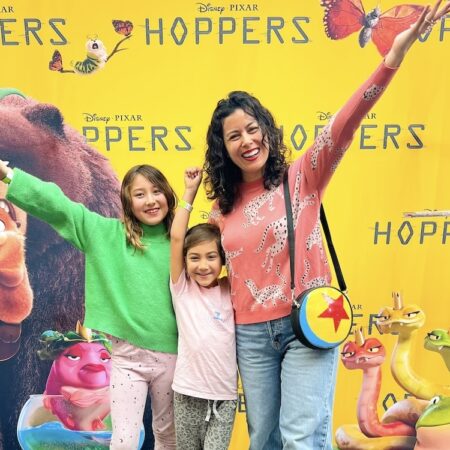
We were lucky enough to attend an early screening back in November, and the girls have been asking to watch it again nonstop ever since. Not just because it’s funny, but because the characters stay with them. They notice who is treated unfairly. They ask why. They want to talk about it. That curiosity is exactly the point.
If you’re a parent wondering how to start conversations about racism, bias, and fairness without overwhelming your kids, Zootopia 2 offers a powerful entry point. It doesn’t talk down to children or sanitize the truth. It trusts them. Watch it together. Let the story open doors you can walk through together.
Stream Zootopia 2 now available on digital and start the conversation your family deserves.
Disney | Instagram | Movies Anywhere | #Zootopia2